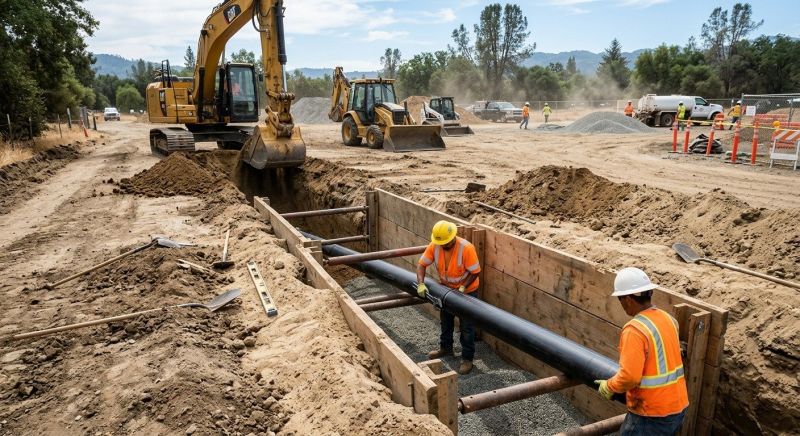
Trench Installation in Houston, TX
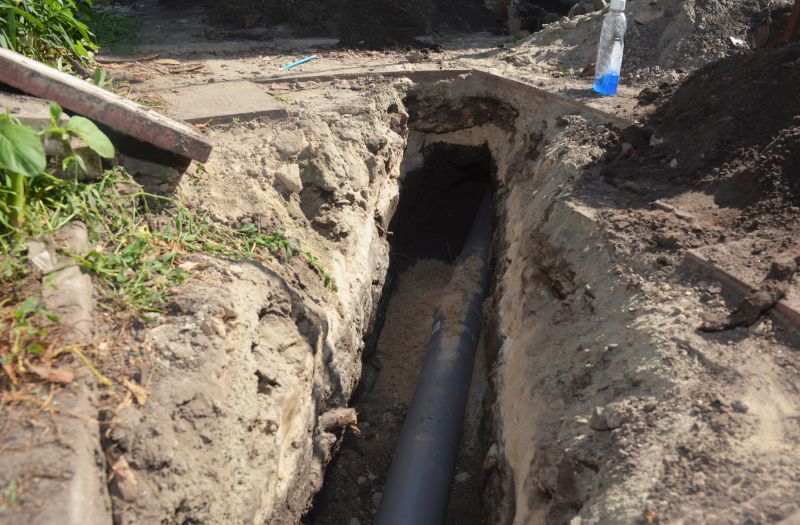
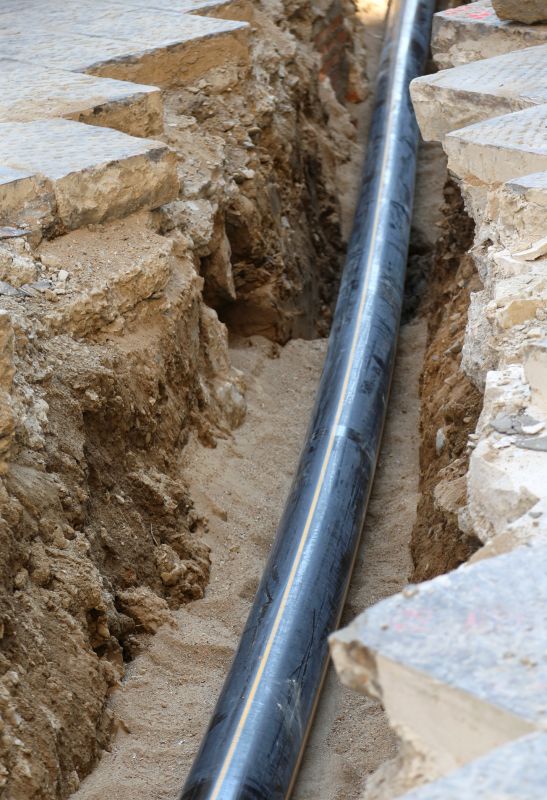
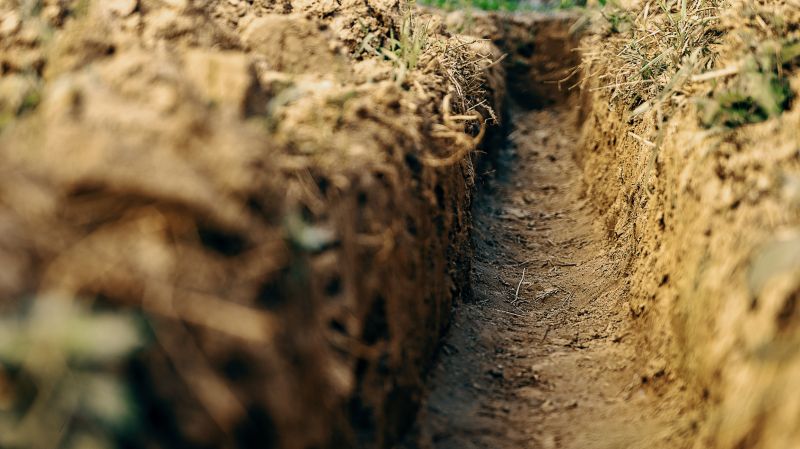
Trench installation services involve excavating narrow, deep channels into the ground to support various types of infrastructure and utility projects. This service is commonly used for laying underground cables, pipes, drainage systems, and irrigation lines. Property owners typically request trenching to facilitate foundation work, install electrical or plumbing lines, or improve drainage around residential or commercial properties. Before requesting trench installation, it is important to understand the scope of the project, the depth and length of the trenches needed, and any potential underground obstacles such as existing utilities or roots that could affect the excavation process.
Homeowners should also consider local regulations and property restrictions that may influence trenching work. Proper planning ensures that the trenches are dug safely and efficiently while minimizing disruption to the landscape. Clear communication about the project's purpose and the property's layout can help ensure the trench installation meets the specific needs of the project. Consulting with experienced trench installation providers can help property owners determine the best approach for their project and ensure the work is completed to suit their property's requirements.
Many property owners in Houston, TX look into Trench Installation for repairs, replacements, upgrades, and appearance-related improvements.
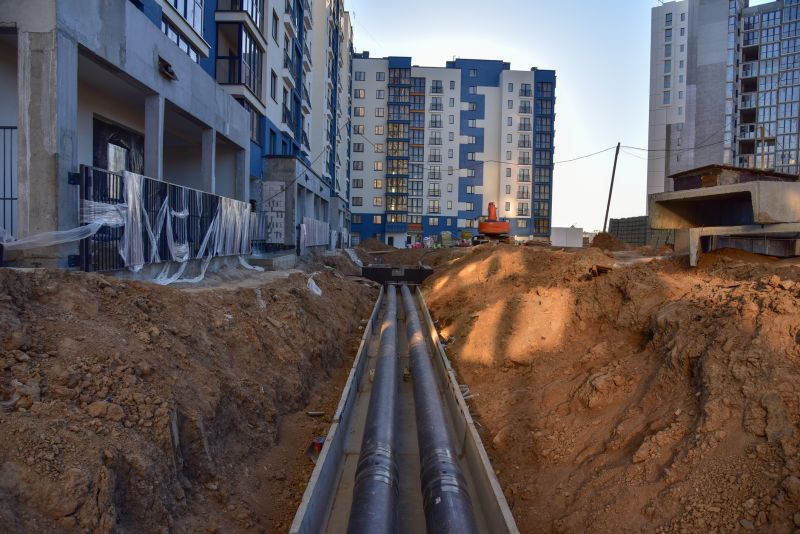
Trench Installation For Utility Lines
Proper trenches ensure safe and efficient installation of utility cables and pipes across houston properties.
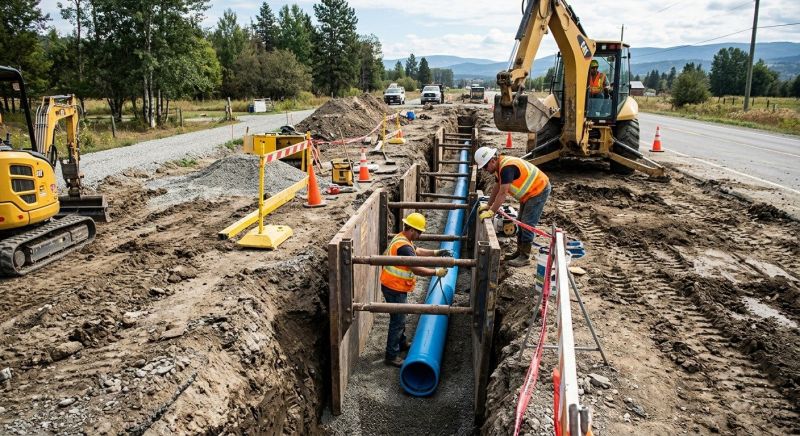
Drainage And Irrigation Trenches
Custom trenches help improve drainage and support irrigation systems on residential and commercial sites.
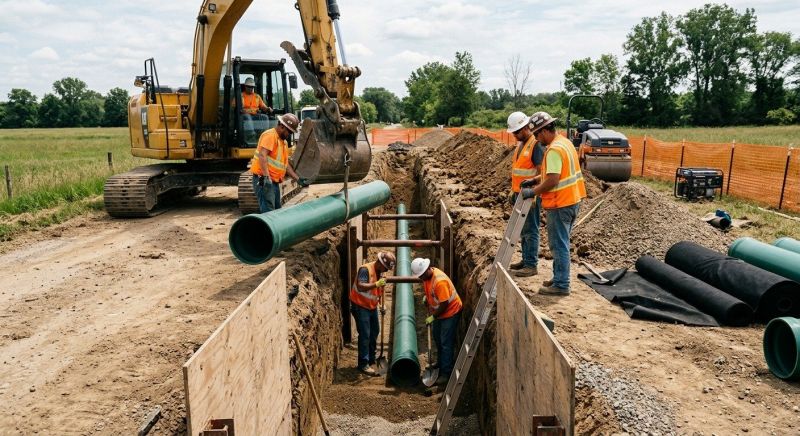
Foundation And Structural Trenches
Strategic trenching provides a stable foundation for retaining walls, fences, and building extensions in houston neighborhoods.
Trench Installation in Houston, TX

Trench installation services involve excavating narrow, deep channels into the ground to support various types of infrastructure and utility projects. This service is commonly used for laying underground cables, pipes, drainage systems, and irrigation lines. Property owners typically request trenching to facilitate foundation work, install electrical or plumbing lines, or improve drainage around residential or commercial properties. Before requesting trench installation, it is important to understand the scope of the project, the depth and length of the trenches needed, and any potential underground obstacles such as existing utilities or roots that could affect the excavation process.
Homeowners should also consider local regulations and property restrictions that may influence trenching work. Proper planning ensures that the trenches are dug safely and efficiently while minimizing disruption to the landscape. Clear communication about the project's purpose and the property's layout can help ensure the trench installation meets the specific needs of the project. Consulting with experienced trench installation providers can help property owners determine the best approach for their project and ensure the work is completed to suit their property's requirements.
Many property owners in Houston, TX look into Trench Installation for repairs, replacements, upgrades, and appearance-related improvements.
Common Trench Installation Jobs
Trench Drain Installation - effective drainage solutions to prevent water pooling around the property.
Foundation Drainage Trenching - helps direct groundwater away from building foundations to reduce flood risk.
Landscape Drainage Trenching - improves yard drainage and prevents erosion in garden areas.
Sewer and Utility Trenching - provides safe pathways for underground utility lines and sewer connections.
French Drain Installation - manages excess water and protects basements from moisture issues.
Erosion Control Trenching - stabilizes slopes and prevents soil loss during heavy rains.
Trench Installation Questions
What is trench installation used for? Trench installation is commonly used for laying utility lines, drainage systems, or irrigation pipes across a property.
How deep should a trench be? The depth of a trench depends on its purpose, typically ranging from 12 to 36 inches for most residential projects.
What types of soil are suitable for trenching? Loamy and sandy soils are easier to work with, while clay or rocky soils may require special equipment or techniques.
Are there any property considerations before trench installation? It's important to identify underground utilities and obtain any necessary permits before trenching begins.
Request Trench Installation in Houston, TX
Use the quote form on this page to share the basics of your project and request more information for the type of work you need.